
Today’s newsletter is brought to you by Incogni.
A little over 12 years ago, Samsung showed off the Galaxy Round, the first smartphone with a futuristic screen that curved around the device’s sides.
The phone looked great — I remember checking one out at CES, and being very impressed — and it offered some unique UI interactions, like controlling music by pressing and holding one edge of the screen or the other (left for rewind, right for fast forward).
The eye-catching display was made by bonding a flexible OLED screen to curved glass. For several years, Android handset makers reserved it for their premium models.
But last year, Samsung dropped curved screens on its high-end Galaxy models, reverting to standard flat screens for most of its handsets.
The problem is that those fancy curved screens are much easier to damage — and more expensive to repair — than traditional flat screens. They’re also much more prone to accidental touches.
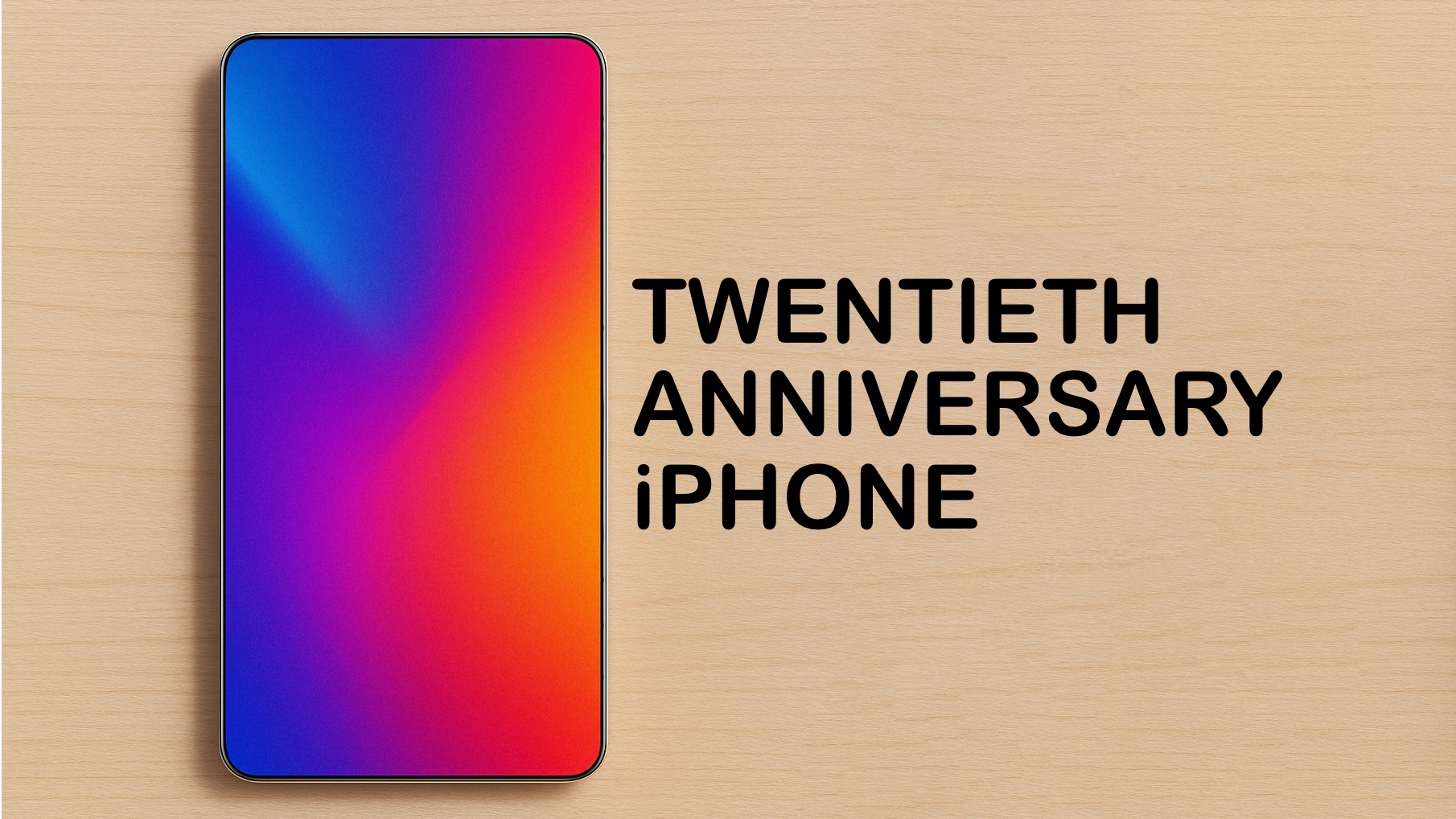
Curved screens had a moment, but now they’re heading to the retirement home, which is why it’s surprising that Apple is reportedly developing one for the upcoming 20th anniversary iPhone.
Not only that, the screen will reportedly bend over all four sides. It sounds stunning, but does Apple have fixes for easily cracked edges and accidental finger taps?
Also in today’s newsletter:
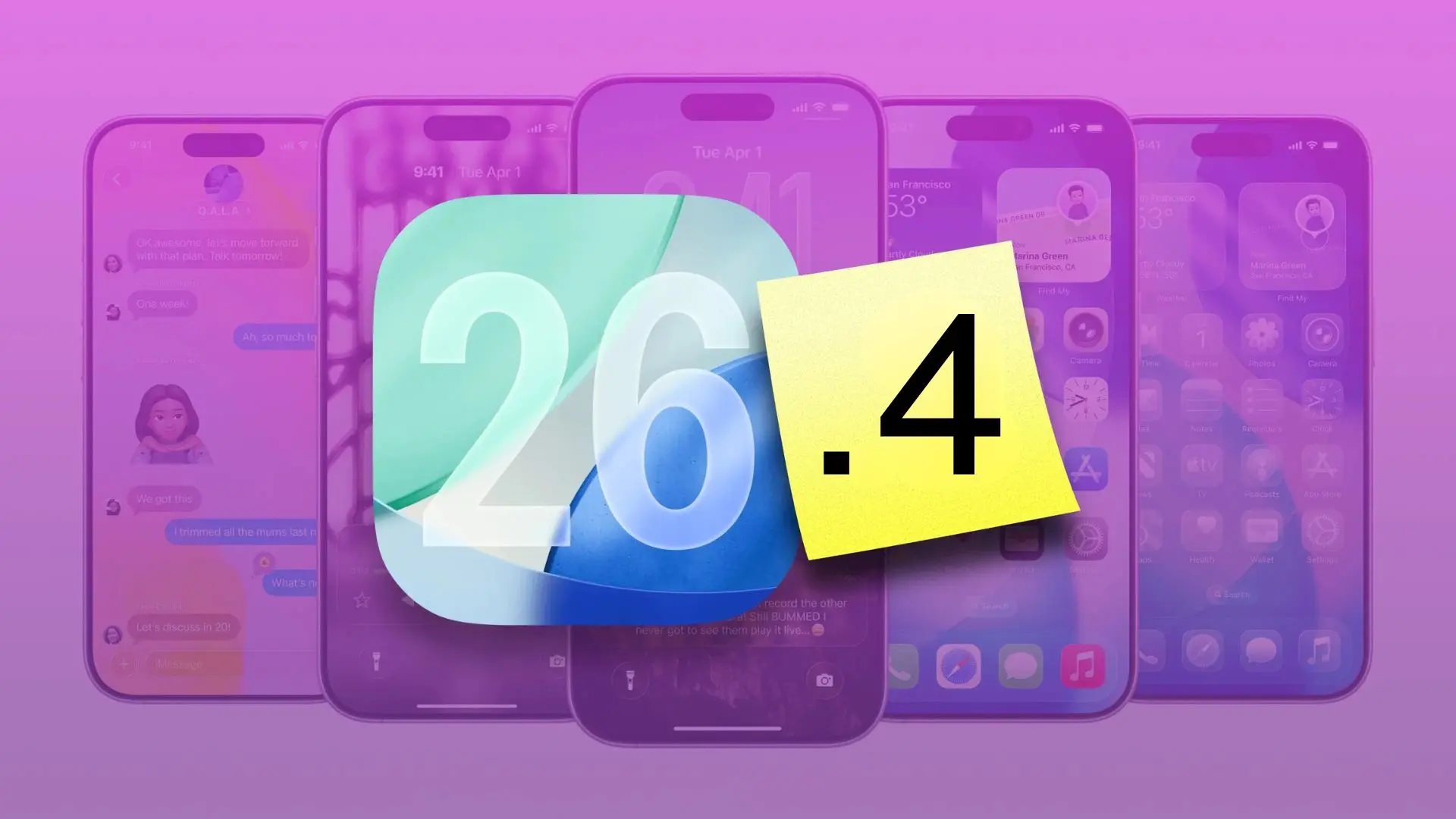
Our friends at Macworld are on a tear, digging into Apple’s code for a series of scoops last week. Their latest is info on the upcoming iOS 26.4, which reveals some new features coming down the pike.
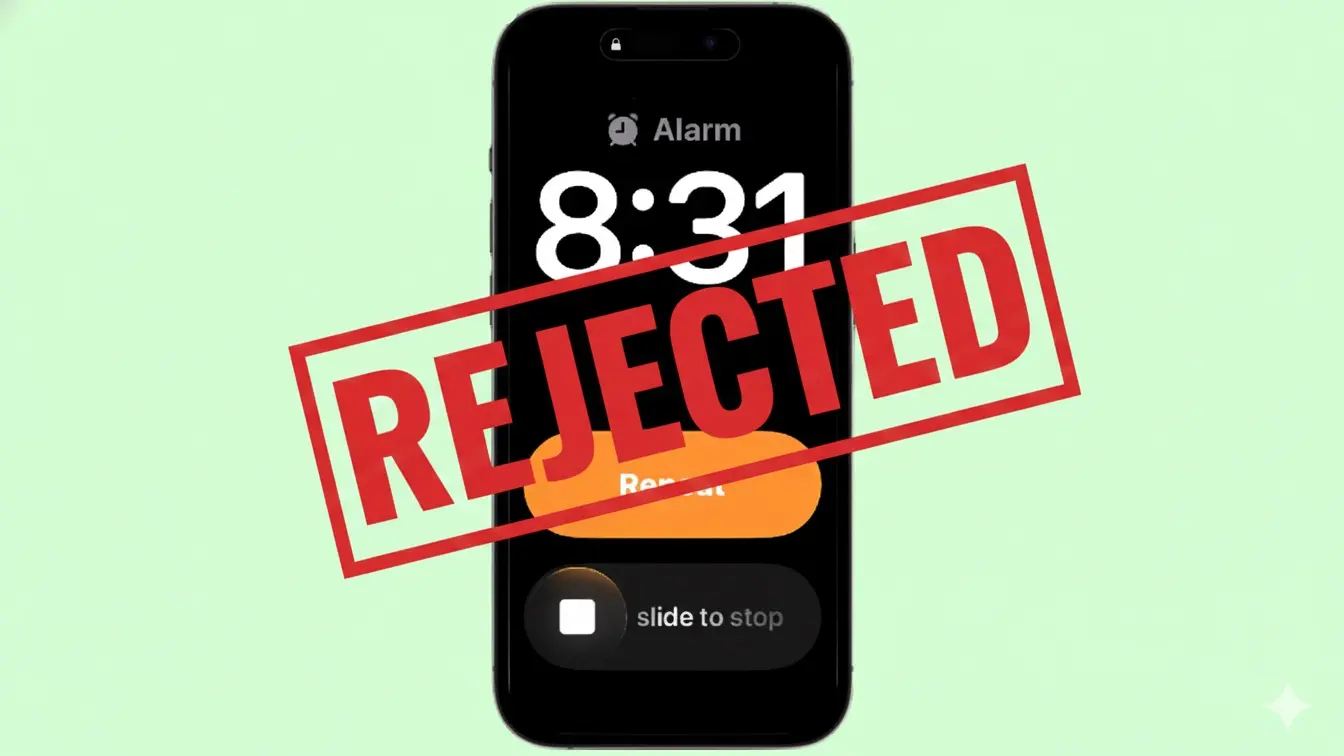
If you just updated your iPhone, you might not like the new way to stop an alarm — by sliding. Here’s how to get the old button back.
And if you didn’t update your iPhone, here’s how to keep it on iOS 18 forever.
Afterpay, Klarna, Sezzle and other “buy now, pay later” apps offer easy credit but often share sensitive personal data with third parties, exposing you to spam and scams. Erase your personal data with Incogni. Try Incogni today, and use code CULTOFMAC to get a whopping 55% off.
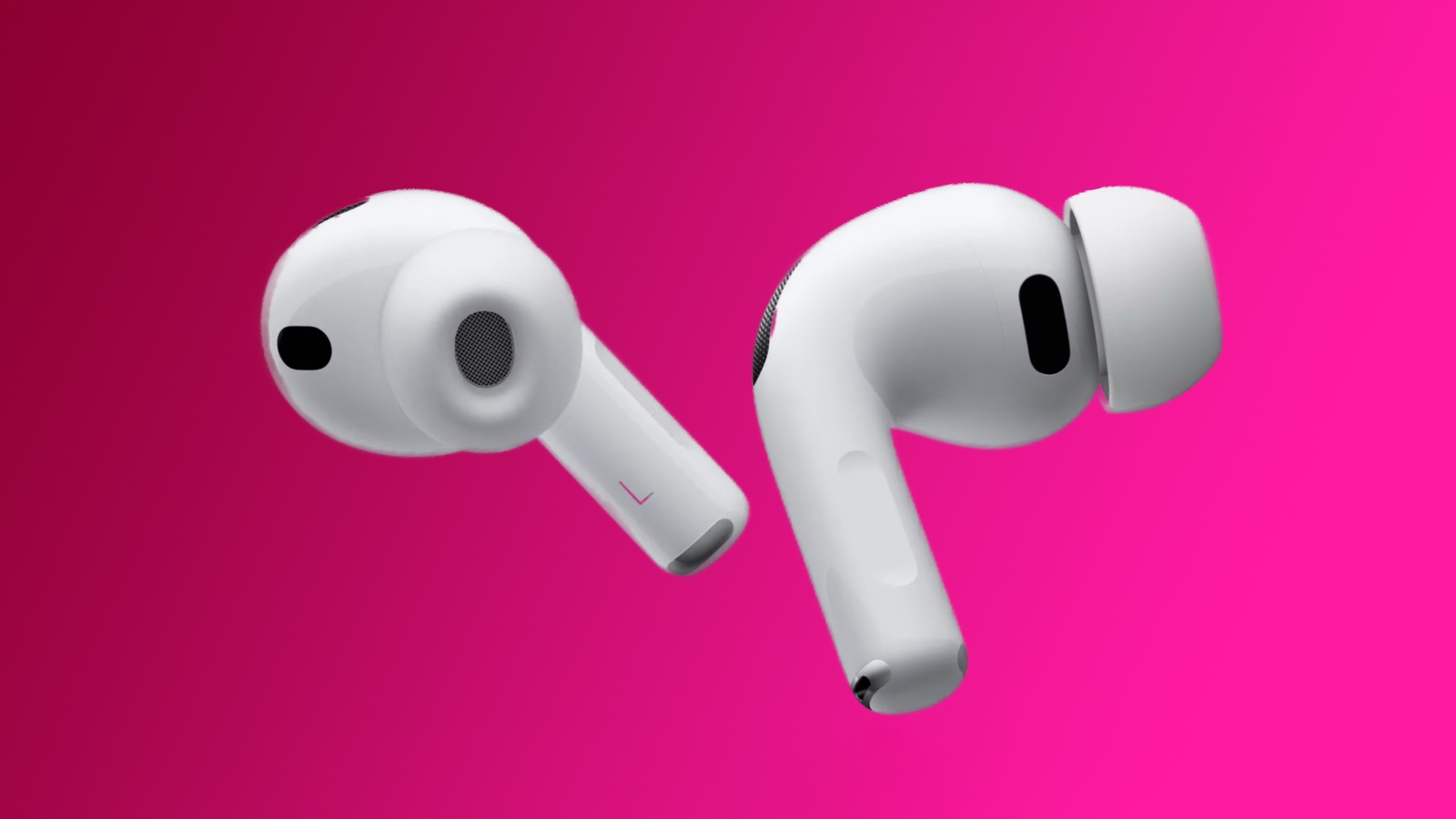
Today is AirPods Max’s fifth birthday. It’s puzzling that I see them in the wild everywhere, but Apple apparently never sold enough to justify a second model (beyond switching to USB-C).
— Leander Kahney, EIC.
A message from Incogni

Risks of buy now, pay later apps
Buy now, pay later apps like Afterpay, Klarna and Sezzle offer easy credit access but pose significant data-privacy risks. Beyond overspending, users face concerns over how these apps collect and share vast amounts of personal information — financial data, locations, browsing histories, even messages — with third parties.
Incogni found that Afterpay was the most data-intensive, sharing 17 data types.
If you’ve used a buy now, pay later app, some of your most sensitive financial data could be at risk.
Reduce your digital footprint with a data removal service like Incogni. Erase your info from data brokers and other sites exposing it. Use code CULTOFMAC to get a massive 55% off.


A message from the Cult of Mac Deals team

A message from the Cult of Mac Deals team

Cult of Mac’s buyback program

A message from Riverside
Studio Quality. No Studio Required

When you use Riverside, it's like carrying an entire podcast studio in your laptop bag. They let podcasters capture, edit, and publish in one place with no gear, no lag, and no stress.
Tweets of the day
Wallpaper of the day
One more thing ...
I don't think it's good that Apple's perceived as different. I think it's important that Apple's perceived as much better. If being different is essential to doing that, then we have to do that, but if we can be much better without being different, that'd be fine with me. I want to be much better.
Today’s poll
Do you have faith in Apple to resurrect curved screens?
Results from yesterday’s poll: What's the best new feature of iOS 26.2?

Best reader comments


Subscribe to The Weekender — Get the week's best Apple news, reviews and how-tos from Cult of Mac, every Saturday morning. Our readers say: "Thank you guys for always posting cool stuff" -- Vaughn Nevins. "Very informative" -- Kenly Xavier.